Turning Frontline Reality Into Policy Action For Cancer Care In Asia
02 February 2026 | Monday | Expert Insight
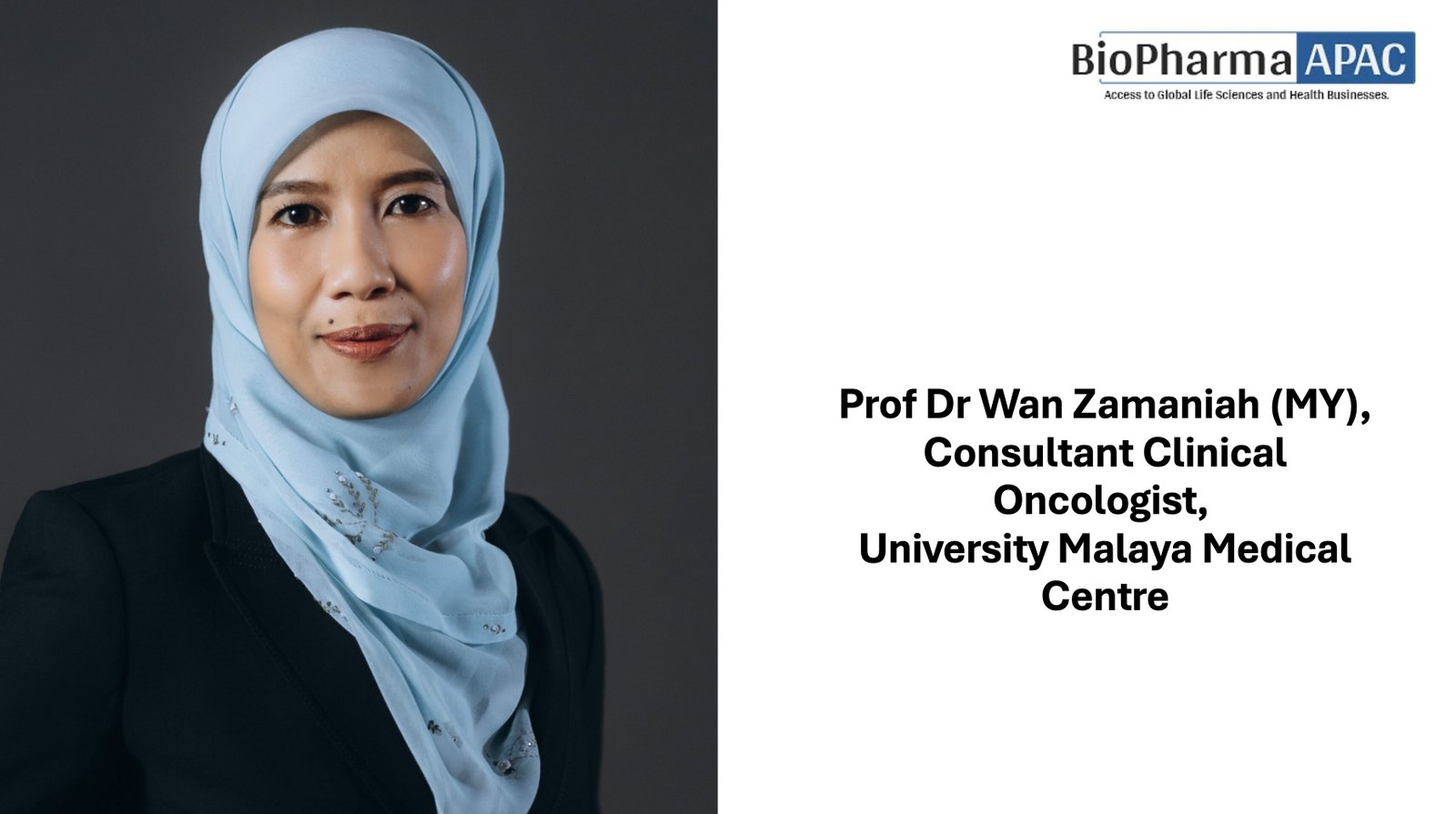
Drawing on her frontline clinical experience in Malaysia, Prof Dr Wan Zamaniah, Consultant Clinical Oncologist, University Malaya Medical Centre offers a clear view of the structural barriers that delay cancer diagnosis and treatment across emerging Asian markets. In this BioPharma APAC interview, she explains how patient behaviour, health system constraints, and socio cultural factors intersect, and outlines what must change in evidence generation, policy frameworks, and global platforms to deliver more timely and equitable cancer care.
From your frontline experience, what structural barriers most impact timely cancer treatment in Malaysia and similar markets?
Delayed cancer treatment in Malaysia stems from patient-related issues (fear, lack of awareness and education, traditional remedies, low income), healthcare system gaps (uneven access, lack of screening access, strained resources, miscommunication), and socio-cultural factors (fear, stigma, beliefs, transport), leading to late presentation, misdiagnosis, and bottlenecks in diagnosis and treatment phases, especially for rural populations and certain cancer types.
How can Asian led clinical evidence better inform national cancer policies and treatment guidelines?
We need studies that reflect real practice in our region. Pragmatic trials and linked real-world data should capture local costs, toxicity for both financial and treatment, quality of life, and the access to return to work, not just survival. Biomarkers and dosing must be validated in our populations and laboratories and at reasonable price to open the access to all cancer patients. Health technology assessments should use Malaysian and regional cost data and outcomes, with coverage tied to evidence development where needed. Resource-stratified guidelines can set clear minimum and optimal care packages that fit different hospital capacities, while prioritizing cancers that are more common here. Policies should track equity metrics, such as time to diagnosis, stage at presentation, and access to biomarker testing, so we can see and fix gaps.
What practical steps are needed to give greater visibility and platforms to Asian oncologists and researchers globally?
We should co-lead Asia-led platform and trials, publish high-quality multicenter studies, and share datasets using common standards. Gaining seats on guideline panels, editorial boards, and HTA committees will amplify regional perspectives. Regional forums, including the 2026 ASCO Breakthrough meeting in Singapore, are powerful platforms to showcase work, form consortia, and align on methods. Institutions can support visibility by providing protected time, travel grants, and media training, and by building speaker networks that include colleagues from secondary and rural centers. Clear data governance, pre-registration of protocols, and open science practices will increase trust and impact, helping Asian evidence shape global practice.
Most Read
- Can APAC Biomanufacturing Decarbonise Without Pricing Itself Out?
- The Algorithm on the GMP Floor: AI Promises a Smarter Plant. Regulators Demand the Audit Trail.
- APAC's Peptide-Capacity Gamble
- After the Rush: APAC's mRNA and Vaccine Capacity Hangover
- The Biosimilar Race: Factory to the World — or Stuck in the Copycat Economy?
- The Vein-to-Vein Problem: Can APAC's Cold Chain Carry Advanced Therapies?
- Vectors, Plasmids and the CGT Trap: APAC's Cell and Gene Therapy Ambitions Face an Upstream Bottleneck
- Can APAC Build Radioligand Therapy Before the Atoms Decay?
- The Great Biopharma Reset: 50 Developments That Changed Everything in H1 2026
- Beyond the Trial: Can Real-World Evidence Earn Regulatory Trust in APAC?
- Beyond the Obvious Giant: Where APAC's Clinical Trials Go Next
- The Frontier That Won’t Quite Arrive
Bio Jobs
- Sanofi Turns The Page As Belén Garijo Steps In And Paul Hudson Steps Out
- Global Survey Reveals Nearly 40% of Employees Facing Fertility Challenges Consider Leaving Their Jobs
- BioMed X and AbbVie Begin Global Search for Bold Neuroscience Talent To Decode the Biology of Anhedonia
- Thermo Fisher Expands Bengaluru R&D Centre to Advance Antibody Innovation and Strengthen India’s Life Sciences Ecosystem
- Accord Plasma (Intas Group) Acquires Prothya Biosolutions to Expand Global Plasma Capabilities
- ACG Announces $200 Million Investment to Establish First U.S. Capsule Manufacturing Facility in Atlanta
- AstraZeneca Invests $4.5 Billion to Build Advanced Manufacturing Facility in Virginia, Expanding U.S. Medicine Production
News