Best Pillow Speakers For Supporting Child's Better Sleep
15 June 2026 | Monday | News
Anxiety, sensory sensitivities, and restless minds can turn bedtime into a nightly battle. Nobody wins those fights.
Soft, calming audio delivered right at ear level makes a real difference. Pillow speakers have become one of the most practical options parents reach for when bedtime routines fall apart.
How Pillow Speakers Actually Work for Kids
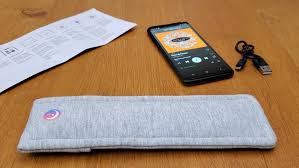
Children with sensory processing differences, autism spectrum disorder, or anxiety tend to feel overwhelmed by room-filling sound. A traditional Bluetooth speaker on a nightstand can actually make sleep harder rather than easier. Pillow speakers solve this by keeping audio contained and personal. For instance, Soundsory's pillow speakers for sleep sit inside or beneath a pillow, so sound travels directly to your child's ears at very low volume without disturbing anyone else in the room. This matters far more than most parents realize at first.
The minimal vibration some models produce adds a gentle tactile element that many sensory-sensitive kids find soothing. Because the volume stays naturally low due to proximity, there's far less risk of damaging young ears compared to headphones or earbuds, which can reach unsafe decibel levels if a child accidentally turns them up. Most pillow speaker models connect via a standard 3.5mm audio jack or Bluetooth; they work with any device your child already uses, a tablet, phone, or dedicated sleep-sound player.
Features to Look for in a Child's Pillow Speaker
Not every pillow speaker on the market is built with kids in mind. Knowing what separates a good pick from a frustrating one saves money and headaches.
Volume limiting tops the list. Look for speakers with a built-in volume cap of 85 decibels or lower; that's the threshold the World Health Organization recommends for safe listening in children, according to WHO guidelines published in 2022. A volume-limited speaker means your child can't accidentally crank the audio to a harmful level, even if they fidget with the controls at night.
Durability matters just as much. Kids are rough on equipment, and a pillow speaker that falls apart after two weeks isn't worth the price. Flat, flexible speaker designs sewn into fabric pouches hold up far better than rigid plastic casings when a child rolls over or tosses the pillow across the room. Wash-friendly designs, where the speaker module detaches before laundering, are a practical bonus that parents genuinely appreciate after the first accidental spill.
Battery life and charging method round out the essentials. A speaker that dies at 2 a.m. defeats the entire purpose. Aim for models that offer at least eight to ten hours of continuous playback on a single charge. Check whether the charging port is micro-USB, USB-C, or proprietary, because proprietary cables have a way of disappearing at the worst possible moment.
The Best Types of Audio Content for Children at Bedtime
The speaker is only half the equation. What your child actually listens to through it shapes whether sleep comes quickly or not at all.
White noise and pink noise rank among the most studied options. A 2021 review in the journal Sleep Medicine Reviews found that white noise reduced sleep-onset time in children with attention difficulties by an average of eleven minutes compared to a silent room. Pink noise, which has more energy in the lower frequencies, tends to feel softer and less artificial to young ears; both are worth trying to see which your child prefers.
Audiobooks and guided sleep meditations designed for children are another strong option, especially for kids whose minds race at bedtime. The ideal content has a slow, steady narration pace. Fast-paced stories with dramatic moments have the opposite effect and can delay sleep by keeping the brain engaged and alert. Apps like Calm Kids and several free podcast feeds offer specially designed sleep stories with a gradual slowdown in pacing and vocal tone built in.
And then there's gentle instrumental music, particularly tracks with a tempo around 60 beats per minute, which roughly matches a resting heart rate. The music doesn't need to be classical; acoustic guitar, soft piano, or nature-ambient tracks all fall in this range and hold up well over repeated nightly use without becoming grating.
Pillow Speakers and Children with Sensory or Developmental Needs
Children with sensory processing disorder, autism spectrum disorder, or ADHD often have a harder time with sleep than neurotypical peers; pillow speakers serve a specific purpose for this group.
For sensory-sensitive kids, the appeal is control. A pillow speaker gives the child ownership over their audio environment without involving room-level sound that might bother a sibling or feel too big and unpredictable. Occupational therapists frequently recommend pairing pillow speakers with a weighted blanket to create a multi-sensory sleep routine that signals to the nervous system it's safe to wind down. The audio element anchors the routine; kids who know exactly what they'll hear each night feel less anxious about the transition to sleep.
Programs built on neuro-acoustic research take this further. If your child already works with an OT, it's worth asking whether a structured listening program pairs well with a nightly pillow speaker routine.
Setup, Safety, and Bedtime Routine Tips
Getting the most out of a pillow speaker is less about the device and more about how you build it into the nightly routine.
Start with consistent timing. Playing the same audio content at the same volume, starting at the same time each night, trains your child's brain to associate the sound with sleep. This conditioned response typically develops within one to two weeks of consistent use, according to sleep behavioral guidance from the American Academy of Sleep Medicine; the speaker itself becomes a cue, not just a comfort object.
Cord safety deserves your attention for younger children. If your child is under five or tends to move a lot during sleep, a Bluetooth model with no physical cable is the safer pick. For older kids, wired models with flat, fabric-covered cables pose minimal risk and often deliver more stable audio without the occasional Bluetooth dropout that can startle a light sleeper awake.
Keep the volume low from the start. Set the level before your child gets into bed, confirm it feels comfortable at close range, and avoid letting kids adjust it themselves until they're old enough to understand why loud audio at night is a problem. Here's the thing: many parents find that 50 to 60 decibels, roughly the level of a quiet conversation, is the right target.
Conclusion
Pillow speakers are a practical, low-cost tool that can genuinely shift the bedtime experience for children who struggle to settle. The best pillow speakers for supporting better sleep in children combine safe volume limits, durable construction, and the right audio content delivered consistently each night. For kids with sensory or developmental needs, pairing a pillow speaker with a structured listening program can add an extra layer of support that a speaker alone can't provide. Start simple, stay consistent, and let the routine do the work.
This content is for informational purposes only and does not replace professional medical advice. Consult a qualified specialist for concerns about your child’s development.
Most Read
- Can APAC Biomanufacturing Decarbonise Without Pricing Itself Out?
- The Algorithm on the GMP Floor: AI Promises a Smarter Plant. Regulators Demand the Audit Trail.
- APAC's Peptide-Capacity Gamble
- After the Rush: APAC's mRNA and Vaccine Capacity Hangover
- The Biosimilar Race: Factory to the World — or Stuck in the Copycat Economy?
- The Vein-to-Vein Problem: Can APAC's Cold Chain Carry Advanced Therapies?
- Vectors, Plasmids and the CGT Trap: APAC's Cell and Gene Therapy Ambitions Face an Upstream Bottleneck
- Can APAC Build Radioligand Therapy Before the Atoms Decay?
- The Great Biopharma Reset: 50 Developments That Changed Everything in H1 2026
- Beyond the Trial: Can Real-World Evidence Earn Regulatory Trust in APAC?
- Beyond the Obvious Giant: Where APAC's Clinical Trials Go Next
- The Frontier That Won’t Quite Arrive
Bio Jobs
- Sanofi Turns The Page As Belén Garijo Steps In And Paul Hudson Steps Out
- Global Survey Reveals Nearly 40% of Employees Facing Fertility Challenges Consider Leaving Their Jobs
- BioMed X and AbbVie Begin Global Search for Bold Neuroscience Talent To Decode the Biology of Anhedonia
- Thermo Fisher Expands Bengaluru R&D Centre to Advance Antibody Innovation and Strengthen India’s Life Sciences Ecosystem
- Accord Plasma (Intas Group) Acquires Prothya Biosolutions to Expand Global Plasma Capabilities
- ACG Announces $200 Million Investment to Establish First U.S. Capsule Manufacturing Facility in Atlanta
- AstraZeneca Invests $4.5 Billion to Build Advanced Manufacturing Facility in Virginia, Expanding U.S. Medicine Production
News