Ferring Pharmaceuticals Reports Real World Evidence Supporting ADSTILADRIN Re Induction In BCG Unresponsive Bladder Cancer
19 May 2026 | Tuesday | News
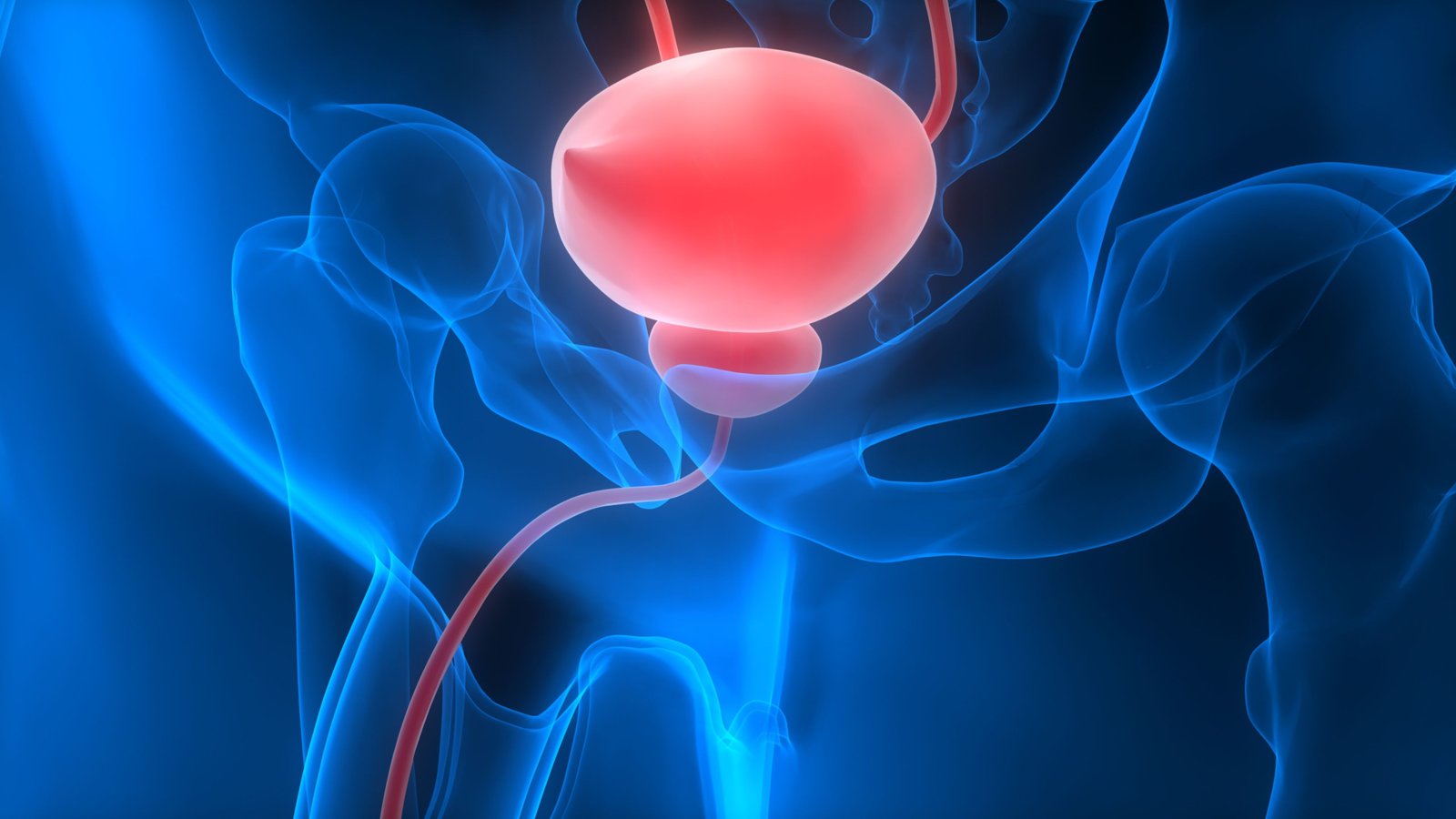
- Re-induction with ADSTILADRIN resulted in complete responses in 31% of initial non-responders with Bacillus Calmette-Guérin (BCG)-unresponsive non-muscle invasive bladder cancer (n=13)
- Findings suggest re-induction may allow additional patients to achieve a complete response in a real‑world setting
- Results presented at the 2026 American Urological Association (AUA) Annual Meeting and scheduled for publication in Translational Andrology and Urology in May 2026
Ferring Pharmaceuticals today announced a new real-world case series demonstrating that re-induction with ADSTILADRIN® (nadofaragene firadenovec-vncg) resulted in complete responses (CR) in approximately 31% (4/13) of patients with high-risk Bacillus Calmette-Guérin (BCG)-unresponsive non-muscle invasive bladder cancer (NMIBC) who did not respond to an initial dose of therapy. The study included patients with carcinoma in situ (CIS), with or without papillary tumors (±Ta/T1).
The findings – presented at the 2026 American Urological Association (AUA) Annual Meeting and scheduled for publication in Translational Andrology and Urology later in May – reflect outcomes observed following a re-induction dose (second dose overall) of ADSTILADRIN in a real-world clinical setting, including two patients (2/13) with CIS with papillary disease (T1).1
ADSTILADRIN is the first and only non-replicating intravesical gene therapy approved by the U.S. Food and Drug Administration (FDA) for the treatment of patients with high-risk BCG-unresponsive NMIBC with CIS, with or without papillary tumors (±Ta/T1), and is administered once every three months.
“These findings offer a promising signal that some patients who do not achieve a complete response after an initial dose of ADSTILADRIN may still benefit from re-induction,” said Chad Reichard, MD, urologic oncologist and Director of Oncology at Urology of Indiana. “Real-world evidence provides important insight into how ADSTILADRIN is being used in routine clinical practice, and the responses observed in this study support the feasibility of re-induction as a potential option for certain patients despite an initial non-response, while highlighting the need for further study.”
The retrospective, observational cohort study analyzed electronic health record data from U.S. private urology practices. Thirteen patients with BCG‑unresponsive NMIBC were eligible, including eight with CIS alone, two with CIS and papillary disease (Ta), and three with CIS and papillary disease (T1). Patients had a mean age of 77.5 years; all were male and had received a mean of 11 prior BCG doses. Prior treatments included gemcitabine (n=4) and pembrolizumab (n=5). Median follow‑up following re‑induction was 379 days (range, 135–519). After re‑induction, four patients (30.8%) achieved a complete response, including two patients with CIS and T1 disease.
Among patients who achieved a complete response, three went on to receive additional doses of ADSTILADRIN; one patient has maintained a complete response at last follow‑up. One patient experienced progression to muscle‑invasive disease (T2a), and one patient underwent cystectomy approximately 51 weeks after initiation of therapy. At the time of analysis, no patient deaths had been reported.
“These new data add to the growing body of real-world evidence generated in urology practices and help inform how re-induction with ADSTILADRIN is being evaluated outside of the controlled clinical trial setting, particularly in a heavily pretreated patient population,” said Daniel Shoskes, MD, MSc, FRCS(C), Vice President, Global Medical Director Uro-Oncology, Ferring Pharmaceuticals. “In the Phase 2 and Phase 3 clinical trials, patients who did not achieve a complete response at three months were not retreated with ADSTILADRIN. However, re-induction is an approach that has been used with some immune-based therapies. These real‑world findings provide insight into how re-induction may improve complete response outcomes over the course of treatment.”
Most Read
- Can APAC Biomanufacturing Decarbonise Without Pricing Itself Out?
- The Algorithm on the GMP Floor: AI Promises a Smarter Plant. Regulators Demand the Audit Trail.
- APAC's Peptide-Capacity Gamble
- After the Rush: APAC's mRNA and Vaccine Capacity Hangover
- The Biosimilar Race: Factory to the World — or Stuck in the Copycat Economy?
- The Vein-to-Vein Problem: Can APAC's Cold Chain Carry Advanced Therapies?
- Vectors, Plasmids and the CGT Trap: APAC's Cell and Gene Therapy Ambitions Face an Upstream Bottleneck
- Can APAC Build Radioligand Therapy Before the Atoms Decay?
- The Great Biopharma Reset: 50 Developments That Changed Everything in H1 2026
- Beyond the Trial: Can Real-World Evidence Earn Regulatory Trust in APAC?
- Beyond the Obvious Giant: Where APAC's Clinical Trials Go Next
- The Frontier That Won’t Quite Arrive
Bio Jobs
- Sanofi Turns The Page As Belén Garijo Steps In And Paul Hudson Steps Out
- Global Survey Reveals Nearly 40% of Employees Facing Fertility Challenges Consider Leaving Their Jobs
- BioMed X and AbbVie Begin Global Search for Bold Neuroscience Talent To Decode the Biology of Anhedonia
- Thermo Fisher Expands Bengaluru R&D Centre to Advance Antibody Innovation and Strengthen India’s Life Sciences Ecosystem
- Accord Plasma (Intas Group) Acquires Prothya Biosolutions to Expand Global Plasma Capabilities
- ACG Announces $200 Million Investment to Establish First U.S. Capsule Manufacturing Facility in Atlanta
- AstraZeneca Invests $4.5 Billion to Build Advanced Manufacturing Facility in Virginia, Expanding U.S. Medicine Production
News