What Are 5 Things to Know Before Using Soursop Leaves Daily?
28 April 2026 | Tuesday | News
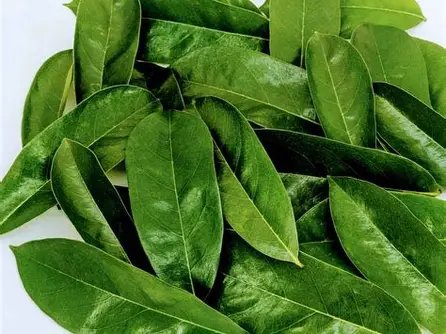
People have used them in traditional medicine for generations, and today you can find them in teas, capsules, and powders almost everywhere. But before you add soursop leaves to your daily routine, there are some important things you should understand. The benefits may be real, but so are the risks. This article breaks down exactly what you need to know so you can make a smart, well-informed choice for your health.
Potential Benefits and Real Risks of Daily Soursop Leaf Use
Soursop leaves come from the Annona muricata tree, a tropical plant native to Central America, South America, and parts of Africa. For centuries, communities across these regions have prepared leaf teas and extracts to address everything from inflammation to high blood sugar. Today, scientific interest in these leaves has grown considerably, and some early research results are genuinely encouraging.
What the Research Actually Shows About Soursop Leaf Compounds
The leaves contain a group of natural compounds called annonaceous acetogenins. These compounds have been studied for their potential to support immune function and interfere with the growth of abnormal cells. Some laboratory studies suggest they may have anti-inflammatory and antimicrobial properties as well. If you choose to use organic soursop leaves specifically, you also reduce your exposure to pesticide residues, which is a practical advantage worth considering.
But, the research picture is not entirely clear. Most studies so far have been conducted in test tubes or on animals, not in large-scale human clinical trials. That gap matters. A compound that behaves a certain way in a laboratory dish does not always produce the same results inside the human body. So while the early findings are interesting, it would be a mistake to treat soursop leaves as a proven medical treatment.
On the risk side, daily use raises specific concerns. The same acetogenins that make these leaves biologically active can also be toxic in high amounts. Long-term or high-dose consumption has been linked in some research to neurotoxicity, particularly because these compounds may affect dopamine-producing neurons. There is also documented evidence that people with Parkinson's disease or a family history of movement disorders should approach soursop leaf products with extra caution. Plus, the leaves can lower blood pressure and blood sugar levels, which sounds beneficial in isolation, but if you already take medication for either condition, the combination could push your levels too low. That is a serious concern, not a minor footnote.
The takeaway here is balance. Soursop leaves are not inherently dangerous at moderate, occasional use, but daily supplementation introduces a different level of exposure that your body accumulates over time. Understanding the full picture, both the potential and the limitations, is the foundation for any smart decision you make about daily use.
Five Things to Know Before Taking Soursop Supplements
Now that you have a clearer picture of what soursop leaves can and cannot do, here are the five specific things you should know before you start taking them every day.
1. Talk to Your Doctor Before You Start
This step is non-negotiable, especially if you take prescription medications or manage a chronic health condition. Soursop leaves interact with blood pressure medications, diabetes medications, and certain antidepressants. Your doctor can review your full health profile and tell you whether daily use is appropriate for your situation. Do not assume that because something is natural, it is automatically safe for you personally.
2. Dosage Is Not One-Size-Fits-All
There is no universally agreed-upon safe daily dose for soursop leaf products. The appropriate amount depends on your body weight, your overall health, the concentration of the supplement, and whether you use it as a tea, capsule, or extract. Starting with the lowest available dose and observing how your body responds is a far safer approach than jumping straight to a high dose because someone online recommended it.
3. Source and Quality Matter Significantly
Not all soursop leaf products on the market follow strict quality standards. Some products contain fillers, undisclosed ingredients, or inconsistent concentrations of active compounds. Look for products that are third-party tested and clearly labeled. The form you choose matters too. A loose-leaf tea will behave differently in your body than a concentrated capsule extract, so read labels carefully and understand what you are actually consuming.
4. Monitor Your Body's Response Over Time
Even if you start at a low dose and feel fine in the first week, daily use changes the equation. Over time, your body accumulates exposure to the active compounds in soursop leaves. Pay attention to any new symptoms, such as fatigue, changes in digestion, blood pressure fluctuations, or unusual sensations. These could be early signals that daily use is not agreeing with your system. If anything feels off, stop use and consult a medical professional before continuing.
5. Avoid Daily Use During Pregnancy or Breastfeeding
Soursop leaf products are not considered safe for pregnant or breastfeeding individuals. Some of the compounds in the leaves may stimulate uterine contractions, and the potential neurotoxic effects of acetogenins are a concern for fetal development. If you are pregnant, trying to conceive, or currently breastfeeding, skip soursop leaf supplementation entirely until you have cleared it with your healthcare provider. The risk simply does not justify the potential benefit in this case.
Conclusion
Soursop leaves hold genuine promise, but daily use is a decision that deserves careful thought. The potential benefits are real, and so are the risks, particularly around long-term exposure and medication interactions. Before you commit to a daily routine, talk to your doctor, choose a quality product, start low, and stay observant. Used thoughtfully and responsibly, soursop leaves can be a meaningful part of your wellness approach. Used carelessly, they can cause more harm than good.
Most Read
- Can APAC Biomanufacturing Decarbonise Without Pricing Itself Out?
- The Algorithm on the GMP Floor: AI Promises a Smarter Plant. Regulators Demand the Audit Trail.
- APAC's Peptide-Capacity Gamble
- After the Rush: APAC's mRNA and Vaccine Capacity Hangover
- The Biosimilar Race: Factory to the World — or Stuck in the Copycat Economy?
- The Vein-to-Vein Problem: Can APAC's Cold Chain Carry Advanced Therapies?
- Vectors, Plasmids and the CGT Trap: APAC's Cell and Gene Therapy Ambitions Face an Upstream Bottleneck
- Can APAC Build Radioligand Therapy Before the Atoms Decay?
- The Great Biopharma Reset: 50 Developments That Changed Everything in H1 2026
- Beyond the Trial: Can Real-World Evidence Earn Regulatory Trust in APAC?
- Beyond the Obvious Giant: Where APAC's Clinical Trials Go Next
- The Frontier That Won’t Quite Arrive
Bio Jobs
- Sanofi Turns The Page As Belén Garijo Steps In And Paul Hudson Steps Out
- Global Survey Reveals Nearly 40% of Employees Facing Fertility Challenges Consider Leaving Their Jobs
- BioMed X and AbbVie Begin Global Search for Bold Neuroscience Talent To Decode the Biology of Anhedonia
- Thermo Fisher Expands Bengaluru R&D Centre to Advance Antibody Innovation and Strengthen India’s Life Sciences Ecosystem
- Accord Plasma (Intas Group) Acquires Prothya Biosolutions to Expand Global Plasma Capabilities
- ACG Announces $200 Million Investment to Establish First U.S. Capsule Manufacturing Facility in Atlanta
- AstraZeneca Invests $4.5 Billion to Build Advanced Manufacturing Facility in Virginia, Expanding U.S. Medicine Production
News