
Parse Biosciences and Nomic Bio Launch 100-Million-Cell Immune Dataset to Advance AI Drug Discovery
01 November 2026 | Sunday | News
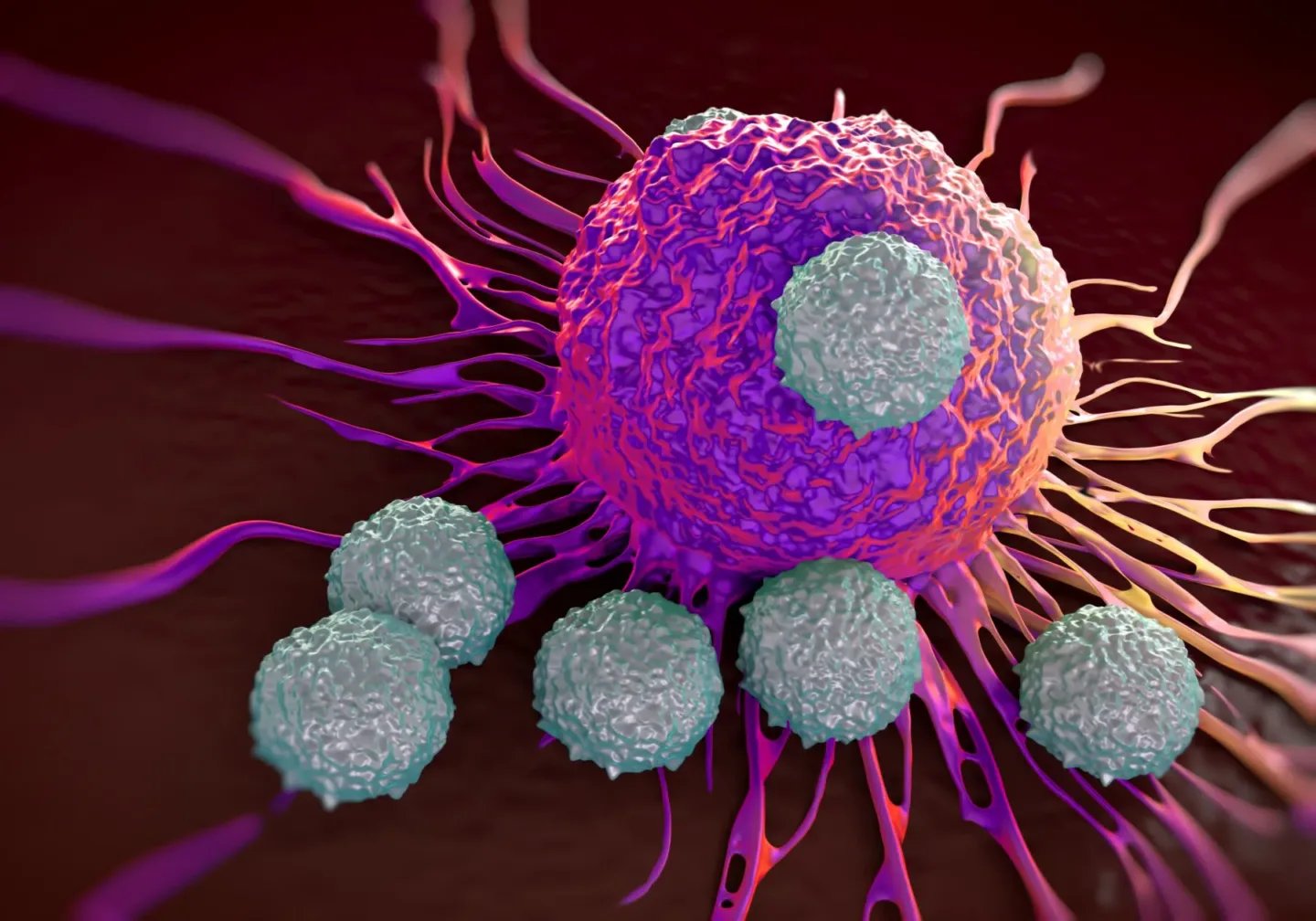
Parse Biosciences, a leading provider of scalable and publicly available single-cell sequencing technology, a subsidiary of QIAGEN, andNomic Bio, a leader in high-throughput protein analysis, announced their partnership to create Cascade, a baseline dataset of 100 million cells to understand the human immune response. The size and depth of the dataset will provide pharmaceutical industry partners with cell- and protein-level insight into immunobiology, accelerating their ability to target and validate new drugs.
The Cascade project has already secured foundational commitments and partnerships from leading pharmaceutical and biotechnology companies globally, including GSK, Pfizer, Sanofi, Graph Therapeutics, and Turbine, underscoring the growing demand for large-scale multimodal immunodata in the field of drug discovery.
Cascade is a multi-modal and stimulus dataset that accurately tracks how immune cells respond to treatments across multiple points in time, and is the largest resource of its kind ready for AI applications to model the immune system. The dataset will combine 100 million single-cell RNA-seq profiles with more than 11,000 secretory protein profiles, aggregating how different immune cell types respond to more than 150,000 individual and collective disordered cases of cytokines and drugs. By combining transcription and protein readings of the same immune responses over time, Cascade will provide researchers with unprecedented insight into the mechanisms that drive human immune signals, bridging a data gap critical to building predictive hypothetical cell models.
The single-cell RNA sequencing data generation will be carried out at Parse's GigaLab, a high-throughput service lab capable of analyzing billions of cells annually. This data will be linked to secretory protein data that will be generated through Nomic's Omini 1000 platform, which will measure more than 1000 secreted proteins across all samples.
Charlie Roco, co-founder and chief technology officer at Parse Biosciences, said: "Modeling bioAI has faced a real hurdle and a lack of data available. Despite the pivotal role of this data in drug discovery, there is a surprising dearth of data available to measure the response of the human immune system to key stimuli such as cytokines and other drugs. The Cascade project is a critical step in detecting these interactions, and we expect to significantly improve the predictive capacity of our partners' AI models."
Milad Dagher, co-founder and CEO of Nomic Bio, said: "AI models for immune biology need to not only monitor how cell states change, but also capture the protein signals that cells use to communicate with each other. "The Cascade project combines quantitative, time-specific protein measurements with data from individual cells, which can help researchers model how immune responses evolve and predict how they will change under new stimuli."
Most Read
- Can APAC Biomanufacturing Decarbonise Without Pricing Itself Out?
- The Algorithm on the GMP Floor: AI Promises a Smarter Plant. Regulators Demand the Audit Trail.
- APAC's Peptide-Capacity Gamble
- After the Rush: APAC's mRNA and Vaccine Capacity Hangover
- The Biosimilar Race: Factory to the World — or Stuck in the Copycat Economy?
- The Vein-to-Vein Problem: Can APAC's Cold Chain Carry Advanced Therapies?
- Vectors, Plasmids and the CGT Trap: APAC's Cell and Gene Therapy Ambitions Face an Upstream Bottleneck
- Can APAC Build Radioligand Therapy Before the Atoms Decay?
- The Great Biopharma Reset: 50 Developments That Changed Everything in H1 2026
- Beyond the Trial: Can Real-World Evidence Earn Regulatory Trust in APAC?
- Beyond the Obvious Giant: Where APAC's Clinical Trials Go Next
- The Frontier That Won’t Quite Arrive
Bio Jobs
- Sanofi Turns The Page As Belén Garijo Steps In And Paul Hudson Steps Out
- Global Survey Reveals Nearly 40% of Employees Facing Fertility Challenges Consider Leaving Their Jobs
- BioMed X and AbbVie Begin Global Search for Bold Neuroscience Talent To Decode the Biology of Anhedonia
- Thermo Fisher Expands Bengaluru R&D Centre to Advance Antibody Innovation and Strengthen India’s Life Sciences Ecosystem
- Accord Plasma (Intas Group) Acquires Prothya Biosolutions to Expand Global Plasma Capabilities
- ACG Announces $200 Million Investment to Establish First U.S. Capsule Manufacturing Facility in Atlanta
- AstraZeneca Invests $4.5 Billion to Build Advanced Manufacturing Facility in Virginia, Expanding U.S. Medicine Production
News


