Anumana Secures FDA Clearance For AI Algorithm Enabling Early Detection Of Pulmonary Hypertension
30 March 2026 | Monday | News
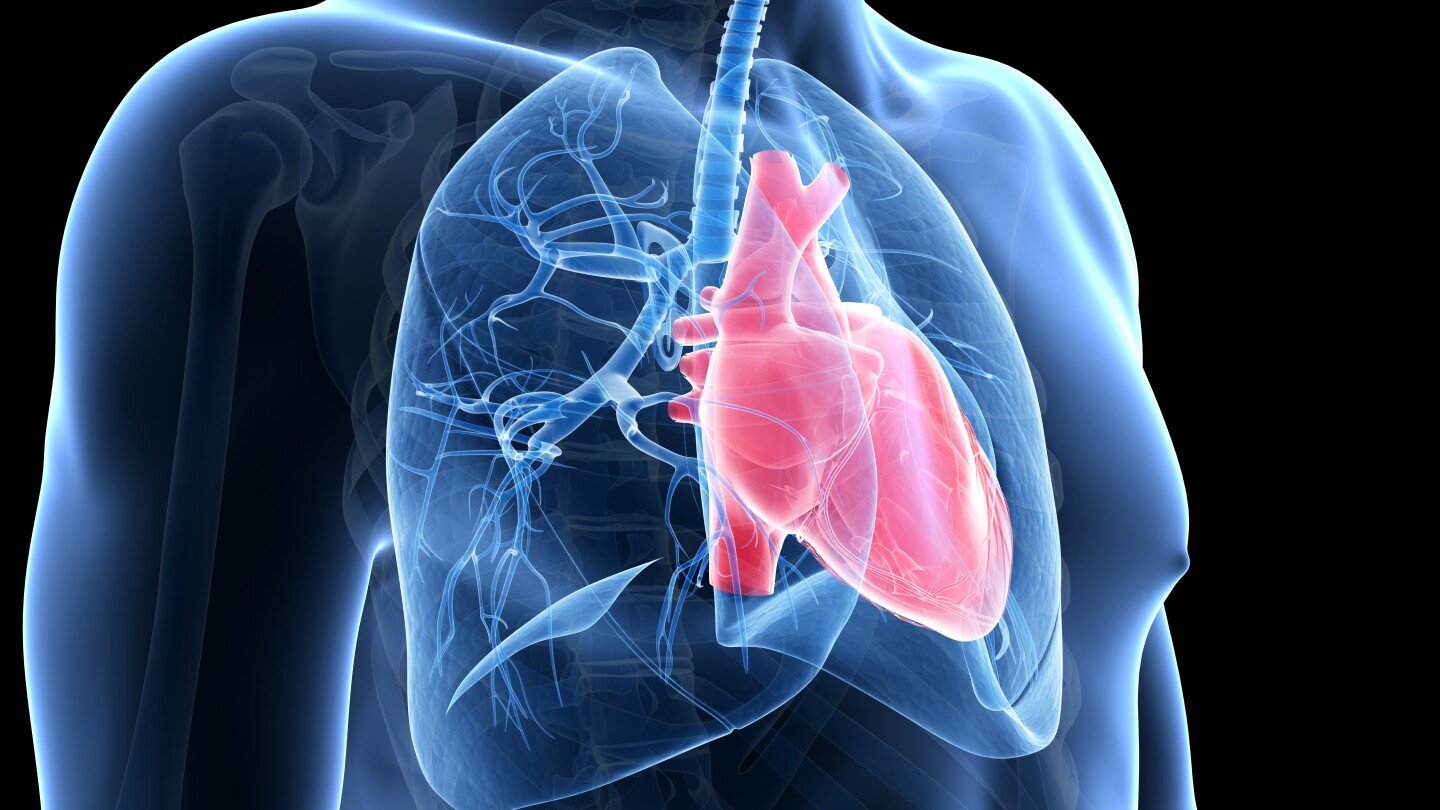
Anumana, a leader in cardiovascular AI, has received U.S. Food and Drug Administration (FDA) 510(k) clearance for its pulmonary hypertension (PH) algorithm, an AI-enabled software-as-a-medical-device (SaMD) that detects early signs of PH, a serious and progressive condition affecting the lungs and right side of the heart. The algorithm, which previously received FDA Breakthrough Device Designation, is the first PH algorithm cleared for use with standard 12-lead electrocardiograms (ECGs), making it broadly accessible across care settings.
PH is a progressive, life-threatening pulmonary vascular disease estimated to affect up to 1% of the global population.1 It is often difficult to diagnose2 due to non-specific early symptoms, such as dyspnea, with delays frequently exceeding two years. These delays are associated with increased morbidity and mortality, highlighting the need for earlier detection.4 Anumana’s algorithm enhances the standard 12-lead ECG by detecting subtle abnormalities that may not be visible to the human eye, helping clinicians identify when follow-up testing, such as echocardiography, is warranted using existing clinical workflows.
“Pulmonary hypertension is often difficult to recognize until it has progressed significantly, leaving patients and physicians at a disadvantage,” said Paul Friedman, M.D., Chair of the Department of Cardiovascular Medicine at Mayo Clinic and a member of the Anumana advisory board. “FDA clearance of Anumana’s PH algorithm provides clinicians with a practical solution to identify PH earlier and determine appropriate next steps in care, expanding the clinical utility of routine ECGs.”
The PH algorithm helps clinicians identify subtle patterns associated with early PH in standard 12-lead ECGs. It integrates with EHR systems, including ECG management platforms, and runs entirely within the health system environment without transferring patient data.
“The FDA clearance of our Pulmonary Hypertension algorithm is the result of rigorous clinical development and regulatory work, and it marks a meaningful step toward expanding access to AI-enabled insights at the point of care,” said Simos Kedikoglou, President & COO of Anumana. “As the first PH algorithm cleared for use with standard 12-lead ECGs, it is broadly accessible across care settings, integrates directly into existing clinical workflows, and supports clinical decision-making in real time, with the potential to help identify patients earlier in their disease course. This milestone reflects Anumana’s broader vision to expand the role of ECGs in identifying cardiovascular risk earlier and at scale.”
With this clearance, Anumana continues to broaden its portfolio of AI-enabled, workflow-integrated solutions. The company is demonstrating clear leadership in advancing clinically validated solutions across geographies, delivering detectable, reliable insights to clinicians and patients in diverse care settings worldwide.
Anumana's ECG-AI PH algorithm was developed using over 250,000 de-identified patient records from Mayo Clinic.5 In an independent, multi-center study of 21,066 patients across five U.S. health systems, ECG-AI detected PH with 73% sensitivity and 74.4% specificity in adult patients presenting with dyspnea. In a separate real-world analysis study of patients with an ECG available between symptom onset and PH diagnosis, ECG-AI identified more than 85% of patients with pulmonary arterial hypertension (PAH) and 78% with chronic thromboembolic pulmonary hypertension (CTEPH).6 This suggests a potential opportunity to support earlier detection of these two treatable PH subgroups.
Mayo Clinic co-founded Anumana and has a financial interest in the company.
Most Read
- Can APAC Biomanufacturing Decarbonise Without Pricing Itself Out?
- The Algorithm on the GMP Floor: AI Promises a Smarter Plant. Regulators Demand the Audit Trail.
- APAC's Peptide-Capacity Gamble
- After the Rush: APAC's mRNA and Vaccine Capacity Hangover
- The Biosimilar Race: Factory to the World — or Stuck in the Copycat Economy?
- The Vein-to-Vein Problem: Can APAC's Cold Chain Carry Advanced Therapies?
- Vectors, Plasmids and the CGT Trap: APAC's Cell and Gene Therapy Ambitions Face an Upstream Bottleneck
- Can APAC Build Radioligand Therapy Before the Atoms Decay?
- The Great Biopharma Reset: 50 Developments That Changed Everything in H1 2026
- Beyond the Trial: Can Real-World Evidence Earn Regulatory Trust in APAC?
- Beyond the Obvious Giant: Where APAC's Clinical Trials Go Next
- The Frontier That Won’t Quite Arrive
Bio Jobs
- Sanofi Turns The Page As Belén Garijo Steps In And Paul Hudson Steps Out
- Global Survey Reveals Nearly 40% of Employees Facing Fertility Challenges Consider Leaving Their Jobs
- BioMed X and AbbVie Begin Global Search for Bold Neuroscience Talent To Decode the Biology of Anhedonia
- Thermo Fisher Expands Bengaluru R&D Centre to Advance Antibody Innovation and Strengthen India’s Life Sciences Ecosystem
- Accord Plasma (Intas Group) Acquires Prothya Biosolutions to Expand Global Plasma Capabilities
- ACG Announces $200 Million Investment to Establish First U.S. Capsule Manufacturing Facility in Atlanta
- AstraZeneca Invests $4.5 Billion to Build Advanced Manufacturing Facility in Virginia, Expanding U.S. Medicine Production
News