Australia's Second Plasma Fractionation Facility Targets Rising Import Dependence for Critical Plasma Medicines
10 July 2026 | Friday | News
As projections indicate Australia could import 70% of its plasma-derived medicines by 2030, Aegros launches a new Haemafrac®-powered manufacturing facility aimed at strengthening sovereign biomanufacturing, improving plasma protein yields, and expanding regional supply capacity.
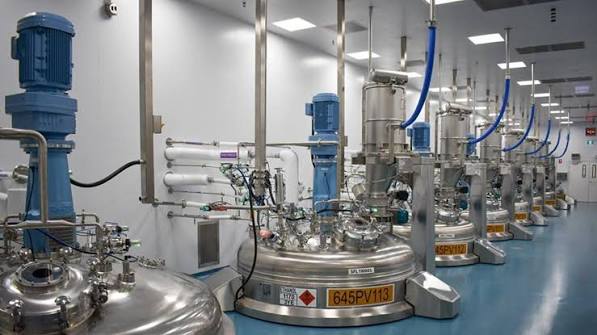
AUSTRALIA SET TO IMPORT 70% OF VITAL PLASMA DERIVED MEDICINES BY 2030: NSW PRODUCTIVITY COMMISSION
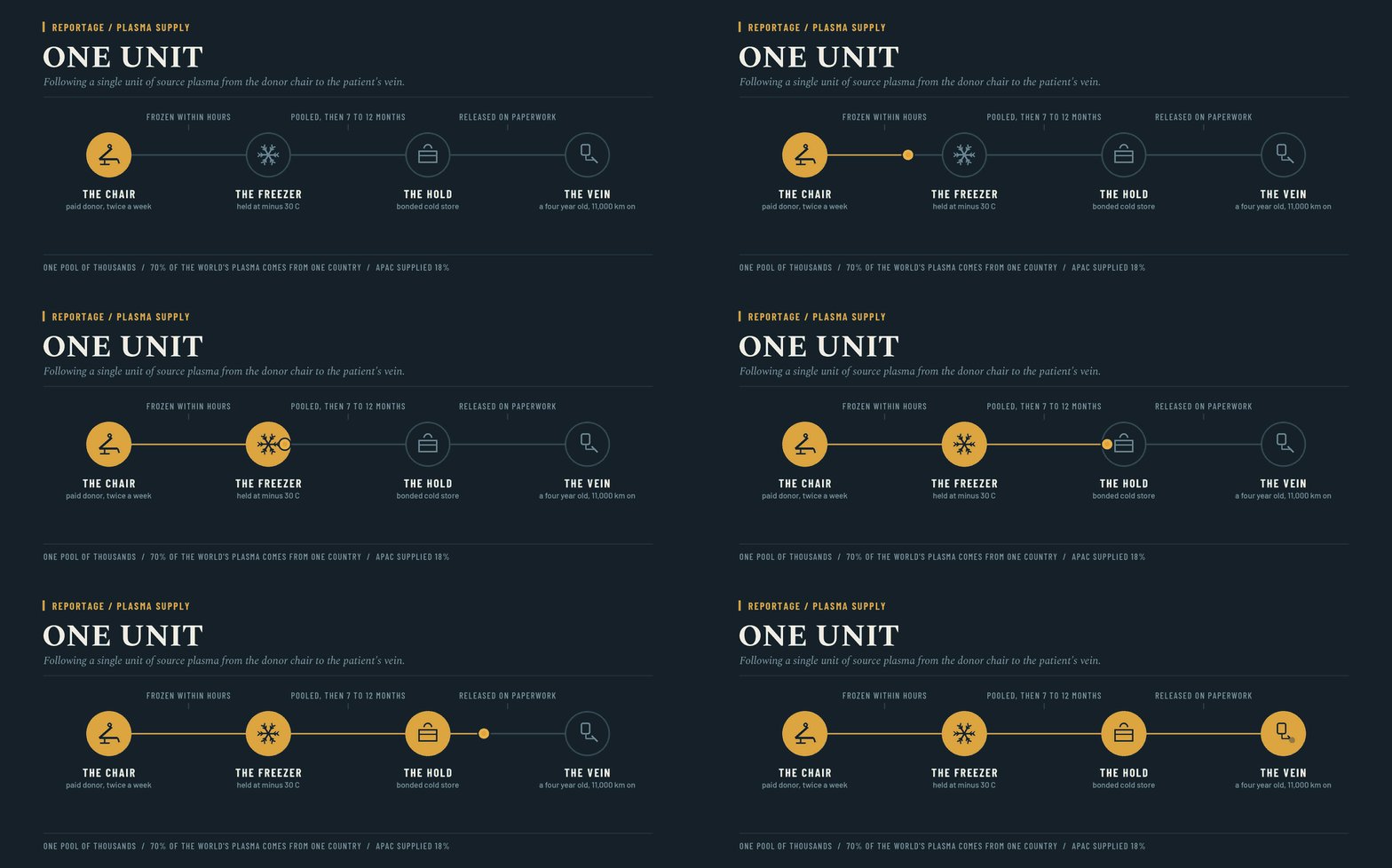
Australian biotech Aegros has completed Australia’s second human plasma fractionation facility, joining CSL’s long-established footprint. The 4000m2 Macquarie Park facility will utilise Aegros’s manufacturing technology Haemafrac®. The process offers a higher protein production efficiency and increased cost benefit, improving upon still commonly used decades old technology.
Aegros’s facility has the initial capacity to process up to 125,000 litres of human plasma, producing hyperimmune globulins and immunoglobulins - plasma proteins to treat immune deficiencies, neurological disorders and as transplant anti-rejection therapy.
Australia imports 60 per cent of its immunoglobulin at a cost of $1bil a year, including fractionation, a [1] $55.2 million increase in about three years post pandemic. A NSW Productivity Commission report last year estimated that Australia is on track to import around 70 per cent of immunoglobulin by 2030.
Australia’s ageing population is fuelling part of that demand, with over 55’s having the highest need for the immunoglobulin.
Aegros CEO Damian Thornton says the importation reliance, together with the very small number of companies that fractionate plasma globally, demonstrates that the value of an Australian biotech with manufacturing expertise in this area of medicine could be more widely acknowledged – as the Government strives to embed its Future Made in Australia sovereign capability agenda.
“We saw significant gaps in Australia’s sovereign medical capability during COVID-19 and our government recognised that we had insufficient stockpiles or the capability to quickly produce vital products such as hyperimmunes and vaccines during the initial pandemic response. Our health systems were shown to be vulnerable during what was an acute global supply chain disruption.”
“There were clear lessons learned from the pandemic – Australia’s needs for immunoglobulin are growing, but we are certainly not the only country in our region with a rapidly ageing population who need more plasma medicines. Currently Indonesia is the only near-neighbour that has started to invest in domestic sovereign fractionation capability. This presents Australia, and Aegros, with a huge opportunity.”
Aegros has designed its plant to eventually process up to 250,000 litres to meet this domestic and international demand, with neighbouring countries also facing an ageing challenge with limited domestic manufacturing capability.
Currently, only four companies supply plasma medicines under contract with the National Blood Authority for immunoglobulin in Australia, with Australia’s CSL sharing this with the Australian subsidiaries of Japan’s Takeda, Spain’s Grifols and the Switzerland’s Octopharma. Thornton says Australia has a sector expertise.
“The widespread use of immunoglobulins to treat immune deficiency conditions has been adopted since the 1970s, and Australian scientists, researchers and medical manufacturers have developed a reputation as world leaders in this vital field. This Australian achievement is somewhat under-recognised.”
“It is estimated that the current plasma industry currently supplies immunoglobulin to 10-12 million patients but the data suggest more than 40 million patients globally need access to these medicines. This is an enormous supply gap that we hope to play a substantial role in bridging.”
Thornton’s appointment followed a financial and board restructure last year to address challenges. He is a 35-year industry veteran who has delivered over US$3Bn of specialty pharmaceutical manufacturing infrastructure across Europe, Asia and the United States.
The facility has been built with no other Government investment apart from the R&D tax incentive.
“We have worked hard to execute our new strategy to place Australia at the centre of the $50bil fractionation plasma market. The facility is now ready for TGA assessment, and we expect to commence this process imminently.”
“Our position is now extremely clear. Australia is globally recognised as a leader in plasma fractionation, and that is a credit to CSL. We have benefitted from their success, including through acquiring staff that have built expertise with them, but also internationally with the world looking to us because they know Australia is a leader in this space.”
CSL opened its newest Australian plasma fractionation facility in 2022, in Victoria, and it is the largest fractionation facility in the southern hemisphere.
Most Read
- Can APAC Biomanufacturing Decarbonise Without Pricing Itself Out?
- The Algorithm on the GMP Floor: AI Promises a Smarter Plant. Regulators Demand the Audit Trail.
- APAC's Peptide-Capacity Gamble
- After the Rush: APAC's mRNA and Vaccine Capacity Hangover
- The Biosimilar Race: Factory to the World — or Stuck in the Copycat Economy?
- The Vein-to-Vein Problem: Can APAC's Cold Chain Carry Advanced Therapies?
- Vectors, Plasmids and the CGT Trap: APAC's Cell and Gene Therapy Ambitions Face an Upstream Bottleneck
- Can APAC Build Radioligand Therapy Before the Atoms Decay?
- The Great Biopharma Reset: 50 Developments That Changed Everything in H1 2026
- Beyond the Trial: Can Real-World Evidence Earn Regulatory Trust in APAC?
- Beyond the Obvious Giant: Where APAC's Clinical Trials Go Next
- The Frontier That Won’t Quite Arrive
Bio Jobs
- Sanofi Turns The Page As Belén Garijo Steps In And Paul Hudson Steps Out
- Global Survey Reveals Nearly 40% of Employees Facing Fertility Challenges Consider Leaving Their Jobs
- BioMed X and AbbVie Begin Global Search for Bold Neuroscience Talent To Decode the Biology of Anhedonia
- Thermo Fisher Expands Bengaluru R&D Centre to Advance Antibody Innovation and Strengthen India’s Life Sciences Ecosystem
- Accord Plasma (Intas Group) Acquires Prothya Biosolutions to Expand Global Plasma Capabilities
- ACG Announces $200 Million Investment to Establish First U.S. Capsule Manufacturing Facility in Atlanta
- AstraZeneca Invests $4.5 Billion to Build Advanced Manufacturing Facility in Virginia, Expanding U.S. Medicine Production
News