China Approves World's First CAR-T Therapy for Solid Tumours
24 June 2026 | Wednesday | News
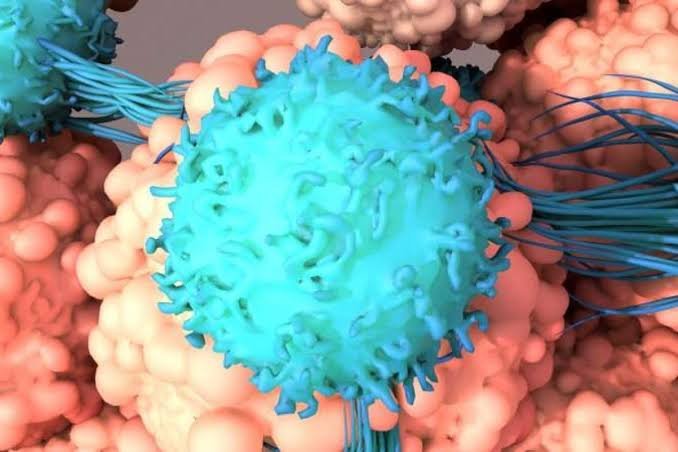
CARsgen Therapeutics Holdings Limited (Stock Code: 2171.HK), a company focused on developing innovative CAR T-cell therapies, announced that as informed by the National Medical Products Administration ("NMPA") , the New Drug Application ("NDA") of satricabtagene autoleucel ("satri-cel"), the proprietary autologous humanized Claudin18.2 CAR T-cell therapy product, was approved for the treatment of patients with Claudin18.2-positive, HER2-negative advanced gastric/ gastroesophageal junction adenocarcinoma (G/GEJA) who have failed at least two prior lines of therapy. Satri-cel is the world's first approved CAR T-cell therapy product for the treatment of solid tumors.
Gastric cancer is one of the malignancies with the highest disease burden worldwide, ranking fifth in both incidence and mortality globally, with approximately 970,000 new cases and 660,000 deaths annually [1]. More than 70% of new and fatal cases occur in Asia [2], and Chinese patients account for approximately 47% of the global gastric cancer burden [3]. According to statistics from the National Cancer Center of China, there were approximately 360,000 new cases and 260,000 deaths from gastric cancer in China in 2022, ranking fifth in cancer incidence and third in cancer-related mortality [4]. Despite continuous advances in surgical techniques and comprehensive treatment modalities, gastric cancer is insidious in onset. In China, the proportion of early-stage gastric cancer diagnosis remains below 20%, and the 5-year survival rate for advanced gastric cancer is only about 10% [5]. Gastric cancer is characterized by high incidence, low early diagnosis rate, high heterogeneity, and high mortality. Conventional chemotherapy drugs have reached a plateau, targeted therapy options are limited, and the proportion and magnitude of benefit from immunotherapy still urgently need to be improved. Therefore, patients with unresectable or metastatic gastric cancer still face substantial unmet medical needs, and there is an urgent demand to drive the discovery and exploration of more precision therapies and novel anti-tumor agents.
Claudin18.2 is a highly selective marker protein. Its expression in normal healthy tissues is very limited, occurring only in differentiated gastric mucosal epithelial cells, whereas it is highly expressed in gastric cancer and other malignant tumors. Satri-cel is an autologous CAR-T cell product targeting Claudin18.2. It is genetically modified to express a CAR construct consisting of a humanized Claudin18.2-specific single-chain monoclonal antibody fragment (hu8E5-2I), a CD8α hinge region, a CD28 transmembrane region, a CD28 intracellular signaling domain (CD28 ICD), and a CD3ζ intracellular signaling region. To our knowledge, we were the first in the world to successfully identify, validate, and report the solid tumor-associated antigen Claudin18.2 as a valid target for CAR T-cell therapy. To further address the challenges of the tumor microenvironment in treating solid tumors, the company independently developed an innovative, patent-protected preconditioning regimen which is to be administered prior to infusion of satri-cel. This regimen features the addition of low-dose nab-paclitaxel to the conventional lymphodepletion regimen comprising cyclophosphamide and fludarabine to enhance the infiltration and anti-tumor efficacy of CAR T cells. The Company has implemented global patent layout around satri-cel, covering the target, indications, dosage, and preconditioning regimens, among others.
The clinical efficacy of satri-cel has received authoritative recognition from top international medical journals. The results of its confirmatory randomized controlled study have been published in The Lancet [6]. Clinical data show that among patients with advanced, heavily pretreated G/GEJ cancer who have extremely limited treatment options and a very poor prognosis, satri-cel demonstrated significant efficacy benefit and a good safety profile compared to existing treatments, bringing a new treatment option to patients with advanced gastric cancer. This major breakthrough not only establishes a new standard for CAR-T therapy in solid tumors but also lays a solid scientific foundation for advancing to earlier lines of therapy, exploring combination treatment regimens, and expanding applications to other Claudin18.2-positive solid tumors such as pancreatic cancer and biliary tract cancer.
Professor Lin Shen's team at Peking University Cancer Hospital led the clinical studies of satri-cel. Professor Shen commented, "For patients with advanced G/GEJA who have failed multiple lines of prior therapy, previous treatment options were extremely limited and the prognosis was very poor. The approval of satri-cel provides us with a novel and effective therapeutic weapon. This product has brought clinically meaningful and significant benefits to such patients, with remarkable efficacy that is difficult to achieve with existing treatment modalities. More importantly, as a CAR-T product, satri-cel offers patients the opportunity to break free from the constraints of frequent hospital visits for treatment, achieving a leap from 'prolonging survival' to 'improving quality of life.' As the world's first successfully marketed CAR-T therapy for solid tumors, satri-cel not only fills the gap in later-line treatment for advanced gastric cancer but also ushers in a new era of cellular therapy for solid tumors. This breakthrough lays a critical foundation for advancing frontline therapy and combination treatment strategies, and is expected to reshape the treatment landscape of gastric cancer and even gastrointestinal tumors. We believe that with the promotion of clinical application, this innovative therapy will illuminate new hope for life for the vast number of gastric cancer patients."
Dr. Zonghai Li, Founder, Chairman of the Board, Chief Executive Officer, and Chief Scientific Officer of CARsgen, stated, "The approval and launch of satri-cel is an important milestone event marking the advancement of CAR-T cell therapy from hematologic malignancies to solid tumors. This would not have been possible without the trust and support of the patients and their families who participated in the clinical trials, the investigator teams, partners, regulatory agencies, and relevant departments. We will go all out to advance the clinical application and market access of satri-cel, ensuring that this innovative therapy benefits Chinese patients widely and in a timely manner. At the same time, we will strive to expand this product to more countries and regions to meet greater medical needs. In addition, we are also exploring first-line sequential therapy and postoperative adjuvant therapy for advanced gastric cancer, with the aim of helping more patients achieve deeper therapeutic benefits and even the possibility of cure."
Most Read
- Can APAC Biomanufacturing Decarbonise Without Pricing Itself Out?
- The Algorithm on the GMP Floor: AI Promises a Smarter Plant. Regulators Demand the Audit Trail.
- APAC's Peptide-Capacity Gamble
- After the Rush: APAC's mRNA and Vaccine Capacity Hangover
- The Biosimilar Race: Factory to the World — or Stuck in the Copycat Economy?
- The Vein-to-Vein Problem: Can APAC's Cold Chain Carry Advanced Therapies?
- Vectors, Plasmids and the CGT Trap: APAC's Cell and Gene Therapy Ambitions Face an Upstream Bottleneck
- Can APAC Build Radioligand Therapy Before the Atoms Decay?
- The Great Biopharma Reset: 50 Developments That Changed Everything in H1 2026
- Beyond the Trial: Can Real-World Evidence Earn Regulatory Trust in APAC?
- Beyond the Obvious Giant: Where APAC's Clinical Trials Go Next
- The Frontier That Won’t Quite Arrive
Bio Jobs
- Sanofi Turns The Page As Belén Garijo Steps In And Paul Hudson Steps Out
- Global Survey Reveals Nearly 40% of Employees Facing Fertility Challenges Consider Leaving Their Jobs
- BioMed X and AbbVie Begin Global Search for Bold Neuroscience Talent To Decode the Biology of Anhedonia
- Thermo Fisher Expands Bengaluru R&D Centre to Advance Antibody Innovation and Strengthen India’s Life Sciences Ecosystem
- Accord Plasma (Intas Group) Acquires Prothya Biosolutions to Expand Global Plasma Capabilities
- ACG Announces $200 Million Investment to Establish First U.S. Capsule Manufacturing Facility in Atlanta
- AstraZeneca Invests $4.5 Billion to Build Advanced Manufacturing Facility in Virginia, Expanding U.S. Medicine Production
News