TenNor’s TNP-2092 Shows 100% Treatment Success in Early, Acute PJI Phase IIa Trial
14 September 2026 | Monday | News
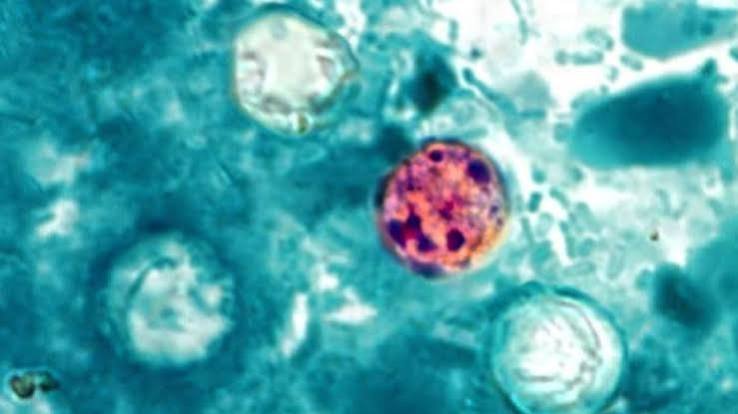
TenNor Therapeutics, a near-commercial-stage biotechnology company, announced positive topline results from a Phase IIa proof-of-concept (POC) trial of rifaquizinone (TNP-2092), a first-in-class, triple-targeting drug candidate administered via intra-articular (IA) injection for the treatment of periprosthetic joint infection (PJI). The data suggest that TNP-2092 has the potential to cure PJI without surgical intervention—a paradigm shift that could fundamentally transform patient outcomes. Based on the findings, the company has initiated a multicenter Phase IIb trial to accelerate clinical development.
The Unmet Need in PJI
PJI is a devastating complication that can turn a successful joint arthroplasty into a medical and personal crisis. Approximately 45,000 new cases occur annually in the U.S. and 22,000 in China, yet treatment remains exceptionally challenging due to bacterial biofilm formation, which largely undermines the efficacy of conventional antibiotics. Surgical intervention is considered essential, as antibiotic‑only regimens carry unacceptably high failure rates.
Patients currently face suboptimal surgical pathways: debridement, antibiotics, and implant retention (DAIR) for early postoperative (early) or acute hematogenous (acute) PJIs—with reported failure rates exceeding 30%—or a two-stage revision for chronic PJIs that requires multiple surgeries, extended hospitalization, and months of functional impairment, while still failing in over 10% of cases. The economic burden is staggering, with per-patient costs in the U.S. frequently surpassing $390,000. Compounding the challenge, the rising volume of joint replacements is driving a steep increase in PJI incidence; by 2035, an estimated 425,800 new PJI cases are expected globally—including 86,500 in China.
Phase IIa Proof-of-Concept Trial Results
This Phase IIa POC clinical trial, conducted in China, evaluated IA administration of TNP-2092 plus systemic antibiotic background therapy—without debridement or joint replacement—in patients with early or acute PJIs. Patients with chronic PJI requiring long-term antibiotic suppression therapy were also included in the study.
As of July 1, 2026, data lock point (DLP) for interim analysis: 10 patients were enrolled. Seven patients with culture- or next-generation sequencing (NGS)-confirmed Gram-positive infections were included in the efficacy analysis. Two patients were excluded from the efficacy analysis due to culture-negative results. One patient had been newly enrolled as of the DLP, with efficacy data not yet available.
Efficacy: Among the five patients with early or acute PJI who received TNP-2092 IA, all had completed the 6-month follow-up, with 100% (5/5) treatment success reported. Among the four patients who had completed the 12-month follow-up, 100% (4/4) treatment success was reported. Of the two patients with chronic PJI who received TNP-2092 IA and had completed the 6-month follow-up, 50% (1/2) treatment success was reported; 12-month follow-up data were pending as of the DLP.
Safety: Nine patients were included in the safety analysis, with no TNP-2092-related treatment-emergent adverse events (TEAEs) or serious adverse events (SAEs) reported. The remaining patient, still undergoing follow-up, also reported no TNP-2092-related TEAEs or SAEs as of the DLP.
These topline results demonstrate promising efficacy and a favorable safety profile for TNP-2092 IA, supporting the accelerated clinical development of this novel non-surgical approach to PJI treatment.
Multicenter Phase IIb Trial Initiated
A multicenter Phase IIb clinical trial to further evaluate TNP-2092 IA has received approval from China's National Medical Products Administration (NMPA), and the trial has recently been initiated.
Expert Commentary
Professor Li Cao, Chief Physician at the Orthopedics Center of the First Affiliated Hospital of Xinjiang Medical University, and the Principal Investigator for the POC trial:
"PJI is a devastating condition, and currently, patients have very limited treatment options. TNP-2092 represents a paradigm shift in PJI therapy. The combination of TNP-2092, a novel biofilm-eradicating agent with intra-articular delivery offers the potential to cure PJI without subjecting patients to the painful, prolonged, and costly surgical pathway. I am extremely excited to see patients in this trial achieve cure—sparing them from the grueling surgical journey they would otherwise face."
Professor Javad Parvizi, MD, FRCS, Professor of Orthopedic Surgery, Acibadem University, Istanbul, past president of the American Association of Hip and Knee Surgeons, and Co-Chair, International Consensus Meeting (ICM) on PJI:
"Orthopedic surgery has seen remarkable breakthroughs that have changed countless lives—yet the management of PJI has remained stubbornly stagnant. The field is in urgent need of truly transformative innovation. I am excited by the proof-of-concept data for TNP-2092, which I believe has the potential to dramatically improve outcomes and quality of life for PJI patients."
Most Read
- Can APAC Biomanufacturing Decarbonise Without Pricing Itself Out?
- The Algorithm on the GMP Floor: AI Promises a Smarter Plant. Regulators Demand the Audit Trail.
- APAC's Peptide-Capacity Gamble
- After the Rush: APAC's mRNA and Vaccine Capacity Hangover
- The Biosimilar Race: Factory to the World — or Stuck in the Copycat Economy?
- The Vein-to-Vein Problem: Can APAC's Cold Chain Carry Advanced Therapies?
- Vectors, Plasmids and the CGT Trap: APAC's Cell and Gene Therapy Ambitions Face an Upstream Bottleneck
- Can APAC Build Radioligand Therapy Before the Atoms Decay?
- The Great Biopharma Reset: 50 Developments That Changed Everything in H1 2026
- Beyond the Trial: Can Real-World Evidence Earn Regulatory Trust in APAC?
- Beyond the Obvious Giant: Where APAC's Clinical Trials Go Next
- The Frontier That Won’t Quite Arrive
Bio Jobs
- Sanofi Turns The Page As Belén Garijo Steps In And Paul Hudson Steps Out
- Global Survey Reveals Nearly 40% of Employees Facing Fertility Challenges Consider Leaving Their Jobs
- BioMed X and AbbVie Begin Global Search for Bold Neuroscience Talent To Decode the Biology of Anhedonia
- Thermo Fisher Expands Bengaluru R&D Centre to Advance Antibody Innovation and Strengthen India’s Life Sciences Ecosystem
- Accord Plasma (Intas Group) Acquires Prothya Biosolutions to Expand Global Plasma Capabilities
- ACG Announces $200 Million Investment to Establish First U.S. Capsule Manufacturing Facility in Atlanta
- AstraZeneca Invests $4.5 Billion to Build Advanced Manufacturing Facility in Virginia, Expanding U.S. Medicine Production
News