Scribe Therapeutics Gains Australian Clearance To Begin First Human Trial Of STX 1150 For Hypercholesterolemia
26 May 2026 | Tuesday | News
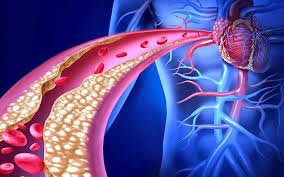
Scribe Therapeutics, Inc. (Scribe), a clinical-stage biotechnology company engineering purpose-built in vivo CRISPR technologies designed to extend healthy lifespan through disease prevention and durable therapeutic intervention, today announced that it has secured clearance from the Australian Therapeutic Goods Administration (TGA) to initiate a first-in-human clinical study of STX-1150 for the treatment of hypercholesterolemia, a major driver of atherosclerotic cardiovascular disease (ASCVD).
Cardiovascular disease is the leading cause of death worldwide, with elevated low-density lipoprotein cholesterol (LDL-C) recognized as a key causal driver of atherosclerosis and ASCVD. Despite the availability of multiple lipid-lowering therapies, many patients remain above recommended LDL-C levels in real-world settings due to treatment burden, adherence challenges, delayed treatment initiation, and the need for ongoing chronic administration. STX-1150 is a novel, in vivo therapy designed to address these limitations by epigenetically silencing PCSK9, a genetically and clinically validated regulator of LDL-C, in the liver. Designed to deliver sustained LDL-C lowering after a single dose without permanently altering the underlying DNA, STX-1150 has the potential to support early and long-lasting ASCVD risk reduction for patients with elevated LDL-C and increased cardiovascular risk.
“Advancing STX-1150 into the clinic marks a pivotal moment for Scribe,” said Benjamin Oakes, Ph.D., co-founder and Chief Executive Officer of Scribe Therapeutics. “Years of iterative engineering to enhance the potency and specificity of our CRISPR technologies has culminated in our first clinical program designed to provide access to the effects of known cardioprotective genetics, potentially freeing patients from decades of treatment burden. This milestone reflects our commitment to developing ultra-long-acting therapies that may redefine the standard of care, reduce adherence challenges, and help make earlier intervention and long-term prevention more practical for patients with chronic cardiometabolic disease.”
The planned Phase 1 study will evaluate the safety, tolerability, pharmacokinetics, and pharmacodynamics of STX-1150 in adults with elevated LDL-C at increased cardiovascular risk. The study is designed as an open-label, single ascending dose trial followed by a dose expansion phase, with planned enrollment of up to 64 participants across trial sites in Australia and New Zealand. Participants will be monitored for one year after treatment. The first clinical site will be Monash Health’s Victorian Heart Hospital in Clayton, Victoria, Australia. The study will be led by Principal Investigator Stephen Nicholls, MBBS, Ph.D., a world-renowned cardiologist who currently serves as the Director of the Victorian Heart Institute at Monash University and Program Director of the Victorian Heart Hospital at Monash Health.
“The initiation of Scribe’s first-in-human study reflects a critical advance in the development of much-needed, highly durable approaches to LDL-C reduction,” said Dr. Stephen Nicholls. “Targeting PCSK9 with an innovative epigenetic silencing strategy, STX-1150 offers a differentiated approach to long-term lipid management. I look forward to working with Scribe to evaluate this therapy in patients with elevated LDL-C and increased cardiovascular risk.”
Most Read
- Can APAC Biomanufacturing Decarbonise Without Pricing Itself Out?
- The Algorithm on the GMP Floor: AI Promises a Smarter Plant. Regulators Demand the Audit Trail.
- APAC's Peptide-Capacity Gamble
- After the Rush: APAC's mRNA and Vaccine Capacity Hangover
- The Biosimilar Race: Factory to the World — or Stuck in the Copycat Economy?
- The Vein-to-Vein Problem: Can APAC's Cold Chain Carry Advanced Therapies?
- Vectors, Plasmids and the CGT Trap: APAC's Cell and Gene Therapy Ambitions Face an Upstream Bottleneck
- Can APAC Build Radioligand Therapy Before the Atoms Decay?
- The Great Biopharma Reset: 50 Developments That Changed Everything in H1 2026
- Beyond the Trial: Can Real-World Evidence Earn Regulatory Trust in APAC?
- Beyond the Obvious Giant: Where APAC's Clinical Trials Go Next
- The Frontier That Won’t Quite Arrive
Bio Jobs
- Sanofi Turns The Page As Belén Garijo Steps In And Paul Hudson Steps Out
- Global Survey Reveals Nearly 40% of Employees Facing Fertility Challenges Consider Leaving Their Jobs
- BioMed X and AbbVie Begin Global Search for Bold Neuroscience Talent To Decode the Biology of Anhedonia
- Thermo Fisher Expands Bengaluru R&D Centre to Advance Antibody Innovation and Strengthen India’s Life Sciences Ecosystem
- Accord Plasma (Intas Group) Acquires Prothya Biosolutions to Expand Global Plasma Capabilities
- ACG Announces $200 Million Investment to Establish First U.S. Capsule Manufacturing Facility in Atlanta
- AstraZeneca Invests $4.5 Billion to Build Advanced Manufacturing Facility in Virginia, Expanding U.S. Medicine Production
News