HaemaLogiX Doses First Patient with KMCAR T-Cell Therapy in Phase 1 Multiple Myeloma Trial
27 August 2026 | Thursday | News
- First patient safely dosed in Phase 1 KOALA trial evaluating KMCAR™ T-cell therapy in patients with relapsed/refractory kappa-restricted multiple myeloma
- Patient was monitored after initial dose to assess response and side-effects, with the treatment seen as well tolerated, and second patient to be treated imminently
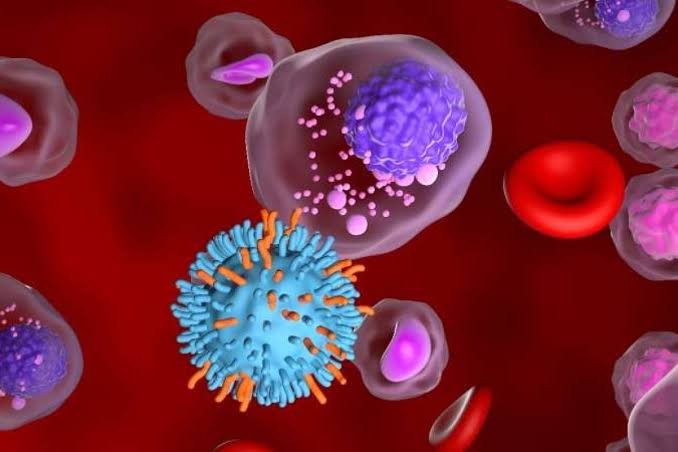
- The study is the first in-human trial for the novel KMCAR™ T-cell immunotherapy, which targets the Kappa Myeloma Antigen (KMA), a tumour-specific receptor found only on malignant plasma cells
- Unlike other therapies currently available that can deplete both cancerous and healthy immune cells, KMCAR™ T-cell therapy selectively recognises and eliminates KMA myeloma cells while preserving healthy immune cells that are essential for immune defence.
HaemaLogiX Ltd is pleased to announce another milestone in its ongoing Phase 1 KOALA trial, with the first patient having been safely treated with KMCAR™ T-cell therapy. Following an initial infusion, the patient demonstrated that the treatment was well-tolerated, with no serious adverse events. A second patient on the trial has now been enrolled and is set to be treated at a higher dose level.
The KOALA study, being conducted at the Peter MacCallum Cancer Centre, is a dose-escalation trial, assessing the safety and preliminary efficacy of HaemaLogiX's proprietary KMCAR™ T‑cell technology (PMCC-COE-KMA). The study is being conducted in patients with multiple myeloma who are no longer responding to standard treatment options, and who are not eligible for other CAR-T therapies.
Multiple myeloma is the world's second-most common blood cancer, with around 188,000 new cases each year[1] and roughly 543,000 people living with the disease[2]. It remains incurable, and 42% of patients die within five years of diagnosis[3]. Most effective treatments only delay the progression of the cancer, but in doing so, damage or destroy the immune system of the patient. Most currently approved BCMA-directed CAR-T therapies target both cancerous and healthy cells, leading to weakening of the immune system and opportunistic infections. This can ultimately lead to more than half of non-progressing patients facing infection-related deaths, rather than deaths from the cancer itself.
By contrast, HaemaLogiX's KMCAR™ T-cell therapy is designed to target the Kappa Myeloma Antigen (KMA) - a tumour-specific receptor found only on kappa-type myeloma cells, and absent from healthy immune cells. KMCAR™ T-cells are the patient's own immune cells that are redirected to destroy the cancer-causing cells, while sparing normal immune function and other tissues. This unique specificity is what differentiates the treatment from anything currently available for multiple myeloma patients today.
Delivery of the therapy involves the harvesting and genetic modification of T cells from a patient's own blood, which are engineered to create KMCAR™ T-cells, that are then infused back into the patient. These cells recognise and destroy cancerous plasma cells that express KMA, while sparing healthy immune cells.
KMCAR™ T-cell therapy is derived from HaemaLogiX's proprietary KappaMab™ antibody technology, which has been validated across Phase 1, 2a and 2b clinical trials. KappaMab™ has also demonstrated a favourable safety profile with no antibody related lymphopenias and durable patient responses.
Professor Simon Harrison, Director of the Centre of Excellence in Cellular Immunotherapy at Peter Mac, said: "This therapy is designed to provide a more targeted approach that could reduce impacts on the patient's immune system, compared with existing CAR T-cell therapies for multiple myeloma. If these potential benefits are confirmed in clinical trials, this could represent an important advance in the treatment of multiple myeloma. We welcome the treatment of the first patient in this trial and look forward to continuing to evaluate the safety and potential of this investigational therapy."
Dr Rosanne Dunn, Chief Scientific Officer at HaemaLogiX, said: "We are delighted with the encouraging results from the first safely treated patient, and very pleased to be moving forward to dosing the second patient at a higher dose of KMCAR™ T-cell therapy. Multiple myeloma is the world's second-most common blood cancer, and there is a significant need for therapies that do not cause immunodeficiency which may result in life threatening infections. Seeing this work translate from the laboratory into human trials with positive safety data is a very important step forward for our immunotherapy programs. Our thanks to the first patient for joining the study and to our colleagues at Peter MacCallum Centre of Excellence in Cellular Immunotherapy for their commitment to progressing this important study."
Most Read
- Can APAC Biomanufacturing Decarbonise Without Pricing Itself Out?
- The Algorithm on the GMP Floor: AI Promises a Smarter Plant. Regulators Demand the Audit Trail.
- APAC's Peptide-Capacity Gamble
- After the Rush: APAC's mRNA and Vaccine Capacity Hangover
- The Biosimilar Race: Factory to the World — or Stuck in the Copycat Economy?
- The Vein-to-Vein Problem: Can APAC's Cold Chain Carry Advanced Therapies?
- Vectors, Plasmids and the CGT Trap: APAC's Cell and Gene Therapy Ambitions Face an Upstream Bottleneck
- Can APAC Build Radioligand Therapy Before the Atoms Decay?
- The Great Biopharma Reset: 50 Developments That Changed Everything in H1 2026
- Beyond the Trial: Can Real-World Evidence Earn Regulatory Trust in APAC?
- Beyond the Obvious Giant: Where APAC's Clinical Trials Go Next
- The Frontier That Won’t Quite Arrive
Bio Jobs
- Sanofi Turns The Page As Belén Garijo Steps In And Paul Hudson Steps Out
- Global Survey Reveals Nearly 40% of Employees Facing Fertility Challenges Consider Leaving Their Jobs
- BioMed X and AbbVie Begin Global Search for Bold Neuroscience Talent To Decode the Biology of Anhedonia
- Thermo Fisher Expands Bengaluru R&D Centre to Advance Antibody Innovation and Strengthen India’s Life Sciences Ecosystem
- Accord Plasma (Intas Group) Acquires Prothya Biosolutions to Expand Global Plasma Capabilities
- ACG Announces $200 Million Investment to Establish First U.S. Capsule Manufacturing Facility in Atlanta
- AstraZeneca Invests $4.5 Billion to Build Advanced Manufacturing Facility in Virginia, Expanding U.S. Medicine Production
News