Halia Therapeutics Receives FDA Fast Track Designation for Ofirnoflast in Lower-Risk Myelodysplastic Syndromes
17 June 2026 | Wednesday | News
Designation follows Phase 2 data showing durable transfusion independence and multilineage hematological improvement; full results presented at EHA2026
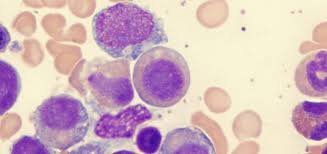
Halia Therapeutics, Inc., a clinical-stage biopharmaceutical company developing first-in-class therapies targeting inflammasome-driven disease biology, announced that the U.S. Food and Drug Administration (FDA) has granted Fast Track designation to ofirnoflast (HT-6184) for the treatment of adult patients with lower-risk myelodysplastic syndromes (LR-MDS).
Fast Track is an FDA process designed to facilitate the development and expedite the review of therapies intended to treat serious conditions and address an unmet medical need. A drug that receives Fast Track designation is eligible for more frequent interactions with the FDA and may be eligible for Accelerated Approval, Priority Review, and Rolling Review if relevant criteria are met.
"Receiving Fast Track designation is an important milestone for Halia and reflects the significant unmet need that remains for patients with lower-risk MDS," said David J. Bearss, Ph.D., Chief Executive Officer of Halia Therapeutics. "The designation follows encouraging Phase 2 results demonstrating durable transfusion independence and multilineage hematologic improvement and provides an important opportunity to work closely with the FDA as we advance ofirnoflast toward pivotal development. Patients who no longer respond to erythropoiesis-stimulating agents or erythroid maturation agents often face limited options and a substantial burden from chronic anemia and transfusion dependence."
Ofirnoflast is a first-in-class oral NEK7 allosteric modulator designed to prevent formation and promote disassembly of the NLRP3 inflammasome, a key regulator of innate immune signaling and chronic inflammation. In lower-risk MDS, NLRP3 inflammasome activation contributes to ineffective hematopoiesis, bone marrow dysfunction, and anemia. By modulating NEK7, ofirnoflast is designed to address an underlying driver of disease.
The open-label, single-arm Phase 2 trial enrolled 37 adults with lower-risk MDS (IPSS-R ≤4.5) who had symptomatic anemia or red blood cell (RBC) transfusion dependence and were refractory to, intolerant of, or ineligible for erythropoiesis-stimulating agents (ESAs). Participants received ofirnoflast 2 mg orally once daily, 5 days on / 2 days off, for up to 32 weeks. The primary endpoint was hematological improvement (HI) per IWG 2018 criteria.
Ofirnoflast produced a 67% overall best on-study HI rate among 30 evaluable patients, with multilineage activity (63% HI-E, 60% HI-P, 60% HI-N). Among 18 transfusion-dependent patients, 10 (56%) achieved RBC transfusion independence for ≥8 weeks, with a median duration of 28 weeks. Of these responders, 39% sustained independence for ≥16 weeks. Among 12 non-transfusion-dependent patients, 9 (75%) achieved HI-E. Median peak hemoglobin rise among responders was 4.6 g/dL (range 0.8–7.4). Ofirnoflast was generally well tolerated, with no treatment-related serious adverse events; treatment-related adverse events, mostly grade 1 and 2, occurred in 27% of patients; grade ≥3 treatment related events occurring in only 5.4% of patients. Activity was mutation agnostic and observed across WHO MDS subtypes, including patients with and without SF3B1 mutations or del(5q)
Halia is currently planning the next stage of clinical development for ofirnoflast in lower-risk MDS and intends to leverage the benefits associated with Fast Track designation as the program advances.
"Lower-risk MDS remains an area of substantial unmet need, particularly for patients who have exhausted available therapies," said Han Myint, M.D., Chief Medical Officer of Halia Therapeutics. "The Phase 2 data support further development of ofirnoflast as a potential new oral treatment option, and the FDA's Fast Track designation underscores both the need for innovation in this setting and the potential of our approach. We look forward to continuing our engagement with the agency as we prepare for the next stage of development."
Most Read
- Can APAC Biomanufacturing Decarbonise Without Pricing Itself Out?
- The Algorithm on the GMP Floor: AI Promises a Smarter Plant. Regulators Demand the Audit Trail.
- APAC's Peptide-Capacity Gamble
- After the Rush: APAC's mRNA and Vaccine Capacity Hangover
- The Biosimilar Race: Factory to the World — or Stuck in the Copycat Economy?
- The Vein-to-Vein Problem: Can APAC's Cold Chain Carry Advanced Therapies?
- Vectors, Plasmids and the CGT Trap: APAC's Cell and Gene Therapy Ambitions Face an Upstream Bottleneck
- Can APAC Build Radioligand Therapy Before the Atoms Decay?
- The Great Biopharma Reset: 50 Developments That Changed Everything in H1 2026
- Beyond the Trial: Can Real-World Evidence Earn Regulatory Trust in APAC?
- Beyond the Obvious Giant: Where APAC's Clinical Trials Go Next
- The Frontier That Won’t Quite Arrive
Bio Jobs
- Sanofi Turns The Page As Belén Garijo Steps In And Paul Hudson Steps Out
- Global Survey Reveals Nearly 40% of Employees Facing Fertility Challenges Consider Leaving Their Jobs
- BioMed X and AbbVie Begin Global Search for Bold Neuroscience Talent To Decode the Biology of Anhedonia
- Thermo Fisher Expands Bengaluru R&D Centre to Advance Antibody Innovation and Strengthen India’s Life Sciences Ecosystem
- Accord Plasma (Intas Group) Acquires Prothya Biosolutions to Expand Global Plasma Capabilities
- ACG Announces $200 Million Investment to Establish First U.S. Capsule Manufacturing Facility in Atlanta
- AstraZeneca Invests $4.5 Billion to Build Advanced Manufacturing Facility in Virginia, Expanding U.S. Medicine Production
News